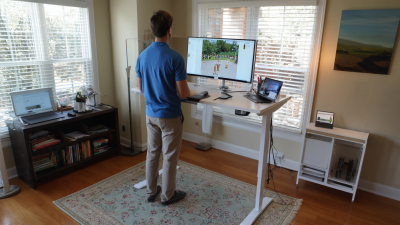
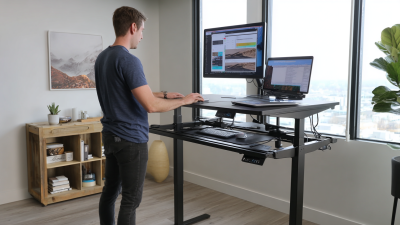
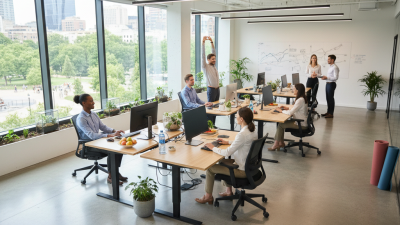
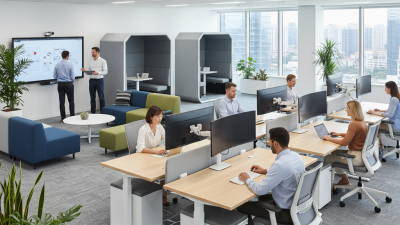
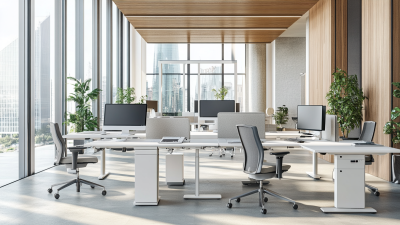
You know, as workplaces are changing so much these days, stand-up desks have really started to become super popular. I read in the American Journal of Preventive Medicine that actually standing while you work can cut down sedentary sitting by up to two hours a day. That's pretty impressive! And honestly, that small shift can make a big difference when it comes to your health and even how productive you are. But here's the thing — a lot of folks forget how important it is to get your ergonomics right when using standing desks. If you don’t pay attention to your posture, you might end up feeling uncomfortable or even strained.
You see, standing isn’t just about being on your feet. Without the proper posture, the benefits kind of get watered down. Studies show that bad posture can cause back and neck pain in up to 80% of office workers. But here’s the good news — small tweaks, like adjusting your height or making sure you're aligned properly, can really help out. It’s all about making posture a priority, whether you're an employee or an employer. Basically, standing right is just as important as standing up.
Now, I won’t lie — switching to Standing Desks can be a bit tough at first. Some folks might find themselves pretty tired or uncomfortable until they get used to it. A good tip is to move around and stretch regularly—that really helps. In the end, if you take a thoughtful approach, using a standing desk can boost your health and even give your productivity a nice little boost too.
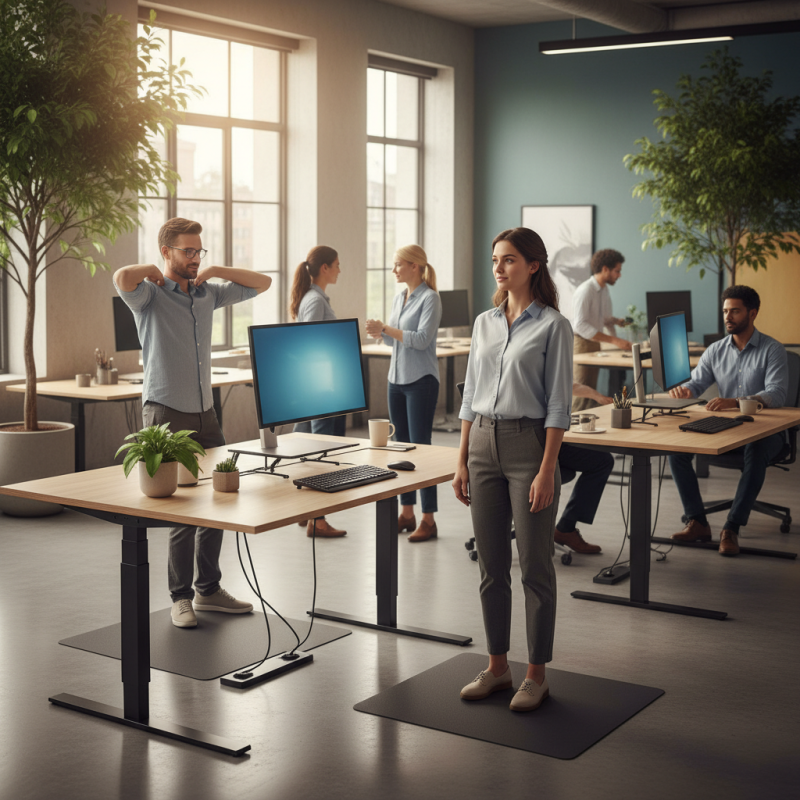
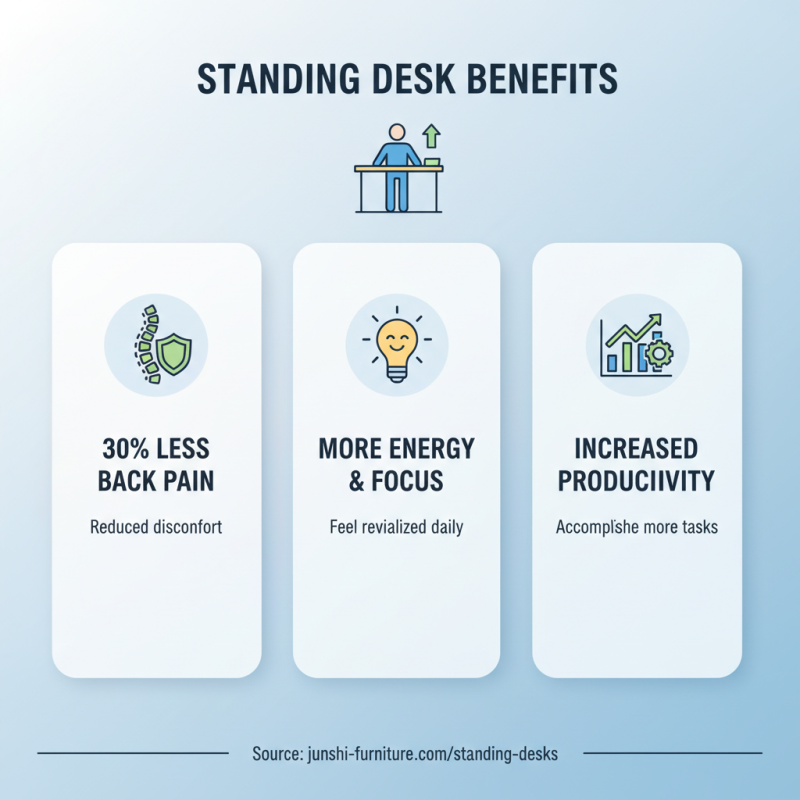
Standing Deskshave gained popularity in recent years, primarily for their health benefits. A recent study reveaLED that using standing desks can reduce back pain by over 30%. Many office workers report feeling more energized and focused throughout the day. This newfound energy can lead to increased productivity levels, allowing employees to accomplish more tasks effectively.
Moreover, standing desks encourage better posture. Slouching is common in traditional seating, leading to long-term issues. Using a standing desk can prompt users to engage their core and maintain an upright position. However, achieving the correct standing posture is crucial. An industry report showed that only 60% of standing desk users adjust their setups properly. That’s a significant number who miss out on key benefits.
Despite these advantages, standing desks do have limitations. Standing for long periods can lead to fatigue or discomfort in the legs. It’s important to find a balance. A mix of sitting and standing might be ideal for most people. Incorporating movement throughout the day, even every 30 minutes, can help combat any negative effects.
When choosing the right standing desk for your workspace needs, consider the size of your area. A desk that fits well can enhance your productivity. Ensure it has adjustable height options. This flexibility allows you to switch between standing and sitting. Balance is key.
Ergonomics matter. Your monitor should be at eye level. This prevents neck strain. Keep your keyboard and mouse close. Having everything within reach makes for a comfortable workspace. Utilize cable management solutions to keep your area tidy. Clutter can be distracting.
An ideal desk encourages movement. Consider a desk that allows you to shift positions often. Standing Sitting Desks promote better posture. They can energize your workflow. Listen to your body. If you feel discomfort, adjust your setup. Reflect on what feels right for you. Personal comfort leads to better productivity.
When setting up an ergonomic workstation, the height of your standing desk is crucial. Studies show that workers using Adjustable Desks Standing have better posture and feel more energized. Proper desk height reduces strain on your back and neck. Aim for your elbows to be at a 90-degree angle while typing. If you're too short or tall, your posture will suffer. Many people overlook how often height adjustments are needed.
Most professionals recommend a desk height between 38 and 42 inches. This range suits the majority of users. However, individual comfort may vary. A 2021 report indicated that nearly 50% of standing desk users do not adjust their desks correctly. Misalignment can lead to discomfort and fatigue. Regularly assessing your standing desk setup is essential for optimal efficiency.
Think about your foot positioning as well. Feet should be flat on the ground or on a footrest. Shifting your weight from one foot to the other can also help reduce fatigue. Remember, maintaining a dynamic stance is key. Adjusting your standing desk height and posture regularly can enhance productivity significantly. Aim for conscious adjustments throughout the day. Regular checks encourage a more mindful approach to your workspace.
Alternating between sitting and standing desks can greatly impact posture and productivity. Research shows that improper posture can lead to discomfort and fatigue. In fact, up to 80% of adults experience back pain at some point. This suggests that changing positions frequently may alleviate some of these issues.
It's recommended to switch every 30 to 60 minutes. Standing for too long can also cause discomfort, leading to fatigue. Aim for balance. Incorporate gentle stretches or short walks while using standing desks. This could enhance circulation and focus. According to a study, workers who alternate positions report a 15% increase in overall productivity.
Remember, not every workspace is perfectly suited for such changes. Your desk height may not be adjustable. Ensure your screen is at eye level. Workflow might feel disrupted initially when transitioning between Standing And Sitting Desks. Keep in mind that establishing this habit takes time. Each small adjustment contributes to better overall posture and well-being.
When using a standing desk, the right accessories can greatly enhance your experience. A high-quality anti-fatigue mat is essential. Studies show that standing for extended periods can lead to discomfort. A mat can reduce fatigue and encourage longer periods of standing. It promotes better circulation, which is key for productivity.
Another important accessory is an adjustable monitor mount. Positioning your screen at eye level prevents neck strain. Poor monitor height can lead to headaches and decreased focus, according to ergonomic research. With an adjustable mount, you can easily switch between sitting and standing. You’ll feel more comfortable and productive throughout your workday.
Remember to incorporate a footrest. Shifting your weight can relieve pressure on your legs. Research indicates that small movements can help improve circulation as well. Accessories can be more than just enhancements; they are necessary for a healthier workspace. Evaluate what works best for you and consider trying a combination of these items to find your optimal setup.
Standing desks can be great for boosting productivity, but they also require some attention to posture. Incorporating exercises and stretches into your routine can significantly enhance your experience. Consider the calf stretch, which helps relieve tension in your lower legs. Just lean against a wall and push one heel to the ground. Hold for 15 to 30 seconds. It's a simple yet effective way to keep your body relaxed.
Another essential exercise is the shoulder blade squeeze. Stand straight and pull your shoulder blades together. Hold for a few seconds and repeat. This can improve posture and reduce strain on your neck and back. Many people forget about their breathing while standing. Deep breaths can also help. Inhale deeply, hold for a moment, then exhale fully. It’s surprising how much a few deep breaths can refocus your mind and reduce stress.
Lastly, don't overlook the importance of regular movement. Set a timer to remind yourself to move or stretch. This can prevent stiffness and discomfort. Ignoring these small practices can lead to poor posture and decrease productivity. Reflect on how often you take breaks and adjust accordingly. Balancing work and movement can truly enhance your standing desk experience.
| Tip | Description | Recommended Stretch/Exercise |
|---|---|---|
| 1. Maintain Proper Monitor Height | Position your monitor so that it is at eye level to reduce neck strain. | Neck Rolls |
| 2. Use Anti-Fatigue Mats | Standing on cushioned mats can reduce discomfort in your feet and legs. | Foot Circles |
| 3. Stand with Proper Posture | Keep your shoulders back and your feet hip-width apart. | Shoulder Blade Squeeze |
| 4. Alternate Between Sitting and Standing | Change your position every 30 to 60 minutes to avoid fatigue. | Wrist and Finger Stretch |
| 5. Keep Documents at Eye Level | Use a document holder to keep papers at the same level as your monitor. | Eye Exercises |
| 6. Use Proper Keyboard Position | Keep your keyboard at elbow height to prevent strain. | Wrist Stretch |
| 7. Position Your Mouse Close | Keep your mouse close to the keyboard to minimize arm reach. | Forearm Stretch |
| 8. Stay Hydrated | Drinking water regularly can help maintain energy levels and prevent fatigue. | Stretch Breaks |
| 9. Incorporate Movement | Move around during calls or while thinking to keep energy levels high. | Dynamic Stretches |
| 10. Practice Deep Breathing | Take deep breaths to help reduce stress and improve focus. | Breathing Exercises |
Monitoring your posture at a standing desk is crucial for comfort and productivity. Many people unintentionally slouch or lean forward while working. This can lead to aches and pains. Consider using a posture tracker. These tools help you identify when your posture strays from the ideal. Visual reminders can also be effective. A simple sticky note at eye level can encourage better alignment.
Taking short breaks is vital. Step away from your desk and move around. Stretching can relieve tension built up during work. Incorporate exercises that target your back and shoulders. Use a mirror to check your stance periodically. Sometimes, it’s easy to forget proper form. Regular self-checks can improve your awareness.
Evaluate your setup regularly. The height of your desk and screen matters. Ensure your monitor is at eye level. Your elbows should be at a comfortable angle. If your feet aren’t flat on the ground, adjust your stance. Reassess when you feel discomfort. Making small changes can lead to significant improvements over time.
: Standing desks can reduce back pain by over 30% and boost productivity levels. Many feel more energized at work.
They encourage better posture and core engagement. This can help users maintain an upright position throughout the day.
Yes, standing too long can cause fatigue or discomfort in the legs. Balance between sitting and standing is crucial.
It's recommended to incorporate movement every 30 minutes. This helps combat stiffness and keeps you more comfortable.
Simple exercises include calf stretches and shoulder blade squeezes. These can relieve tension and improve posture.
Set a timer to remind yourself to stretch or move. Regular breaks can prevent discomfort and enhance focus.
About 40% don’t adjust their setups properly. This can hinder the benefits of using a standing desk effectively.
Deep breathing can help reduce stress. It’s easy to forget to breathe deeply while focused on work tasks.
No, a mix of sitting and standing is often more beneficial. Finding a balance can improve your work experience.
Proper posture prevents long-term issues. Poor alignment can diminish the benefits of using a standing desk.
Standing desks have gained popularity due to their potential benefits for posture and productivity. By understanding how these desks can enhance your workspace, individuals can choose the right model that suits their needs. Proper ergonomics are crucial; adjusting the height of your standing desk appropriately can help reduce strain and discomfort.
Incorporating best practices for alternating between sitting and standing can further optimize your work experience. Key accessories, such as anti-fatigue mats and monitor risers, can enhance comfort and functionality. Additionally, engaging in exercises and stretches tailored for standing desk users can support physical well-being. Finally, monitoring your posture with helpful tools and tips ensures long-term benefits of using standing desks, leading to improved health and productivity in the workplace.